Tooth replacement · 1200 Vienna
Dental Prosthetics and Dentures in Vienna
Missing teeth can affect chewing, speech, comfort and confidence. Dental prosthetics are used to replace missing teeth and restore important oral functions. At Zahnspange Sablania in 1200 Vienna, Dr. med. dent. Manish Sablania provides personal consultation and individual treatment planning for partial dentures, full dentures and other tooth-replacement options.
The most suitable solution depends on the number and position of missing teeth, the condition of the remaining teeth and gums, general oral health and the patient’s personal needs. A clinical examination is therefore necessary before a treatment recommendation can be made.
What Are Dental Prosthetics?
Dental prosthetics is the area of dentistry concerned with replacing missing teeth and restoring oral function. Depending on the individual situation, treatment may involve a removable denture, a fixed crown or bridge, an implant-supported solution or a combination of different methods.
The aim is not only to improve appearance. A carefully planned restoration should also support chewing, speech and everyday comfort. Because every mouth is different, the treatment is planned individually after an examination of the teeth, gums, bite and available supporting structures.
Types of Dental Prosthetics
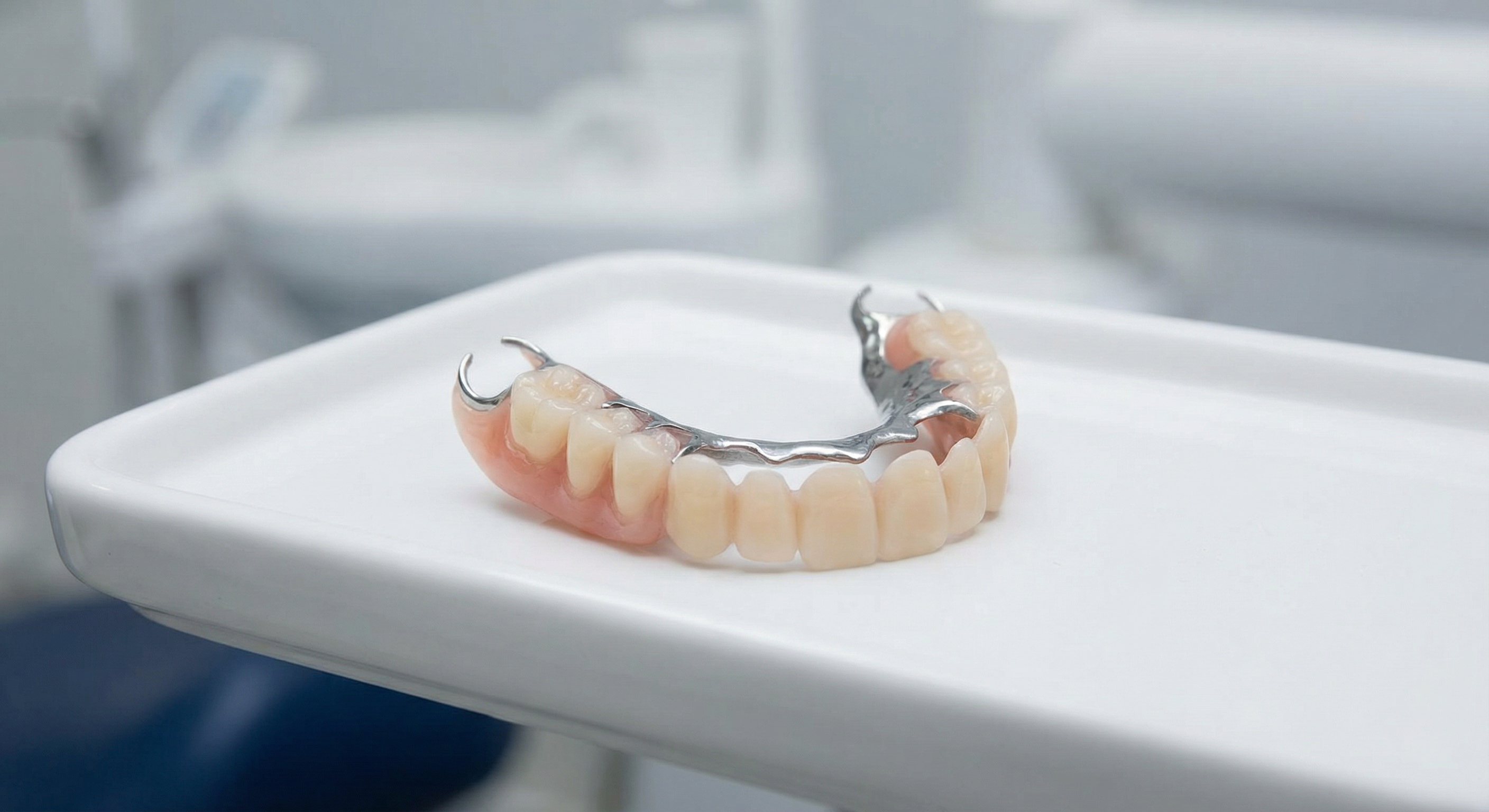
Partial Dentures
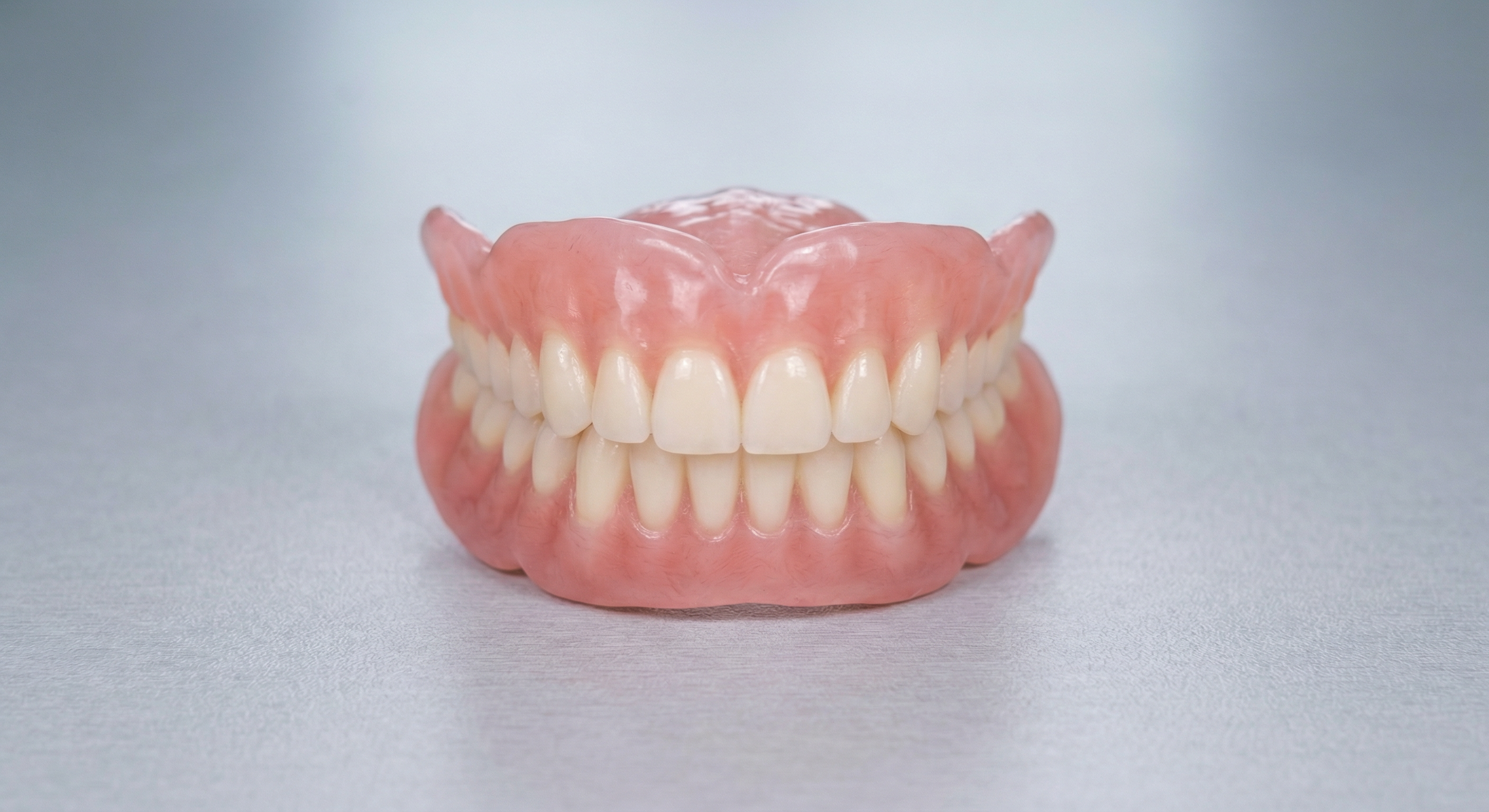
Full Dentures
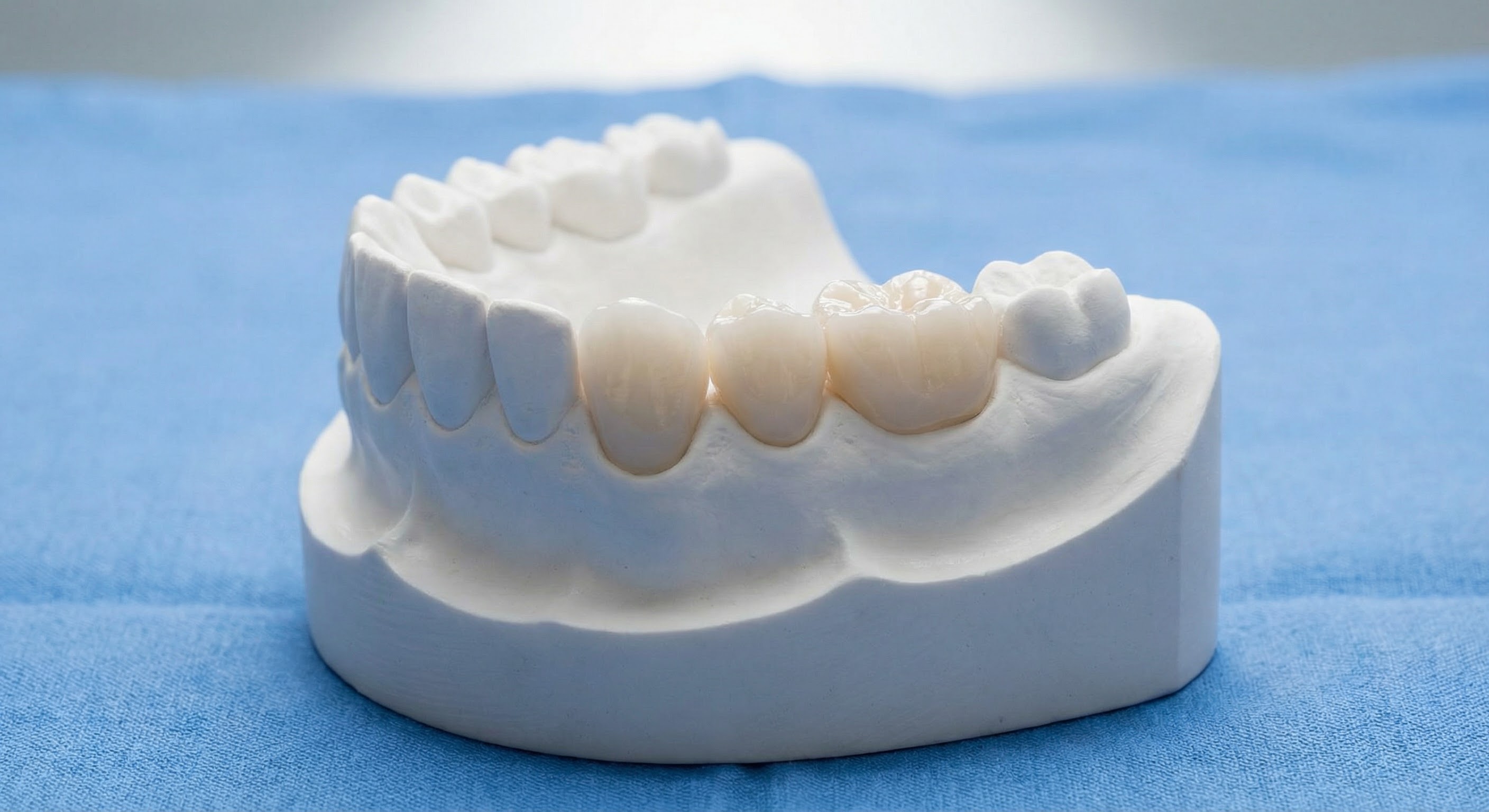
Crowns and Bridges
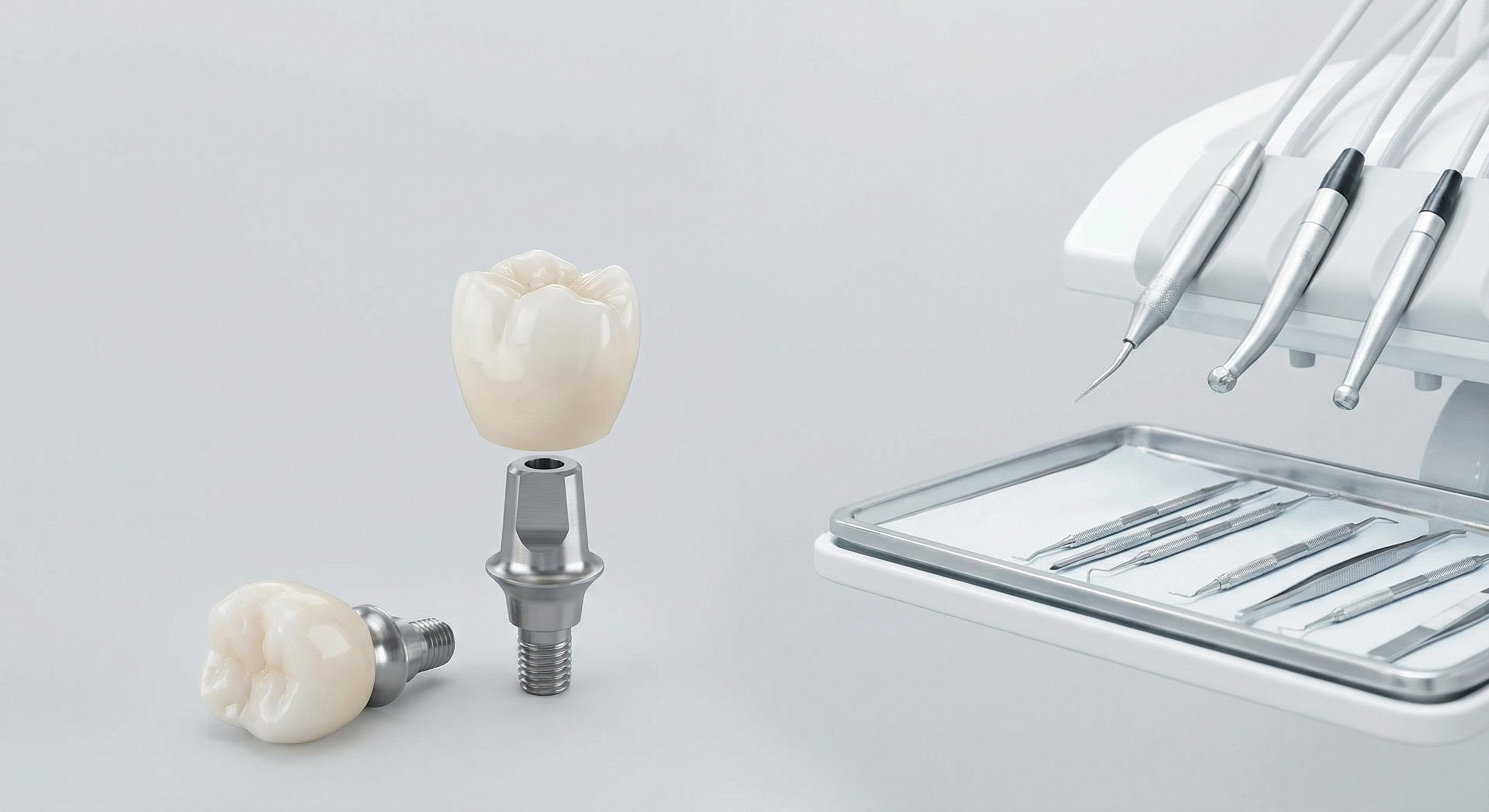
Implant-Supported Tooth Replacement
Partial Denture or Full Denture: What Is the Difference?
| Feature | Partial denture | Full denture |
|---|---|---|
| Teeth replaced | One or more missing teeth | All teeth in one jaw |
| Natural teeth remaining | Yes | No usable natural teeth in the treated jaw |
| Support | Remaining teeth and oral tissues, depending on design | Mainly oral tissues; other support may be considered depending on treatment |
| Removable | Usually | Usually |
| Planning | Depends on gaps and supporting teeth | Depends on jaw shape, tissues and bite |
This comparison provides general information only. The appropriate treatment can be determined only after an individual dental examination.
When May a Denture Be Considered?
A denture or another prosthetic solution may be discussed when teeth have been lost because of tooth decay, gum disease, injury or other dental conditions. Patients may seek treatment because they have difficulty chewing, feel uncomfortable with visible gaps or want to improve the stability of an existing denture.
Before planning a new restoration, the dentist examines the remaining teeth, gums, bite and supporting tissues. Existing dental disease may need to be treated before the final prosthesis is made. The right approach is individualised — not every missing tooth is treated in the same way.
How Is Dental Prosthetic Treatment Planned?
Consultation and examination
We discuss your concerns, medical history, existing restorations and expectations. The teeth, gums, bite and missing-tooth areas are examined.
Diagnostics
Depending on the situation, photographs, X-rays, scans or impressions may be required. Only the diagnostics that are necessary for your case are recommended.
Treatment options
Dr. Sablania explains suitable removable and fixed options, including important differences, limitations and likely maintenance requirements.
Treatment and preparation
Necessary preparatory dental care is completed before the final prosthesis is produced. The exact steps depend on the selected treatment.
Fitting and adjustments
The restoration is checked for fit, bite and comfort. Dentures sometimes require adjustments, especially during the initial adaptation period.
Follow-up and maintenance
Regular dental checks help monitor the denture, supporting teeth, gums and oral tissues. Changes in the mouth over time may make adjustments, repairs or replacement necessary.
Getting Used to New Dentures
A new denture may initially feel unfamiliar. Some patients notice temporary changes in speaking, chewing or saliva production. Starting with softer foods, taking smaller bites and chewing carefully on both sides can make the adjustment period easier.
Minor pressure areas should not be ignored. If a denture causes persistent discomfort, pain or irritation, contact the practice instead of trying to adjust it yourself. Professional adjustments can improve fit and reduce pressure on the oral tissues.
How to Care for Dentures
- Clean the denture every day using an appropriate denture-cleaning method.
- Follow the dentist’s instructions regarding the cleaning product and brush.
- Clean the gums, tongue and remaining natural teeth carefully.
- Remove and store the denture according to the instructions given for the specific appliance.
- Avoid using very hot water, which may affect some denture materials.
- Do not repair or reshape a denture at home.
- Attend regular dental examinations even when no natural teeth remain.
- Contact the practice if the denture becomes loose, damaged or uncomfortable.
Care instructions may vary according to the denture material and design. Follow the individual instructions provided by the dental team. Good oral hygiene remains important for gums and any remaining natural teeth.
Dental Prosthetics at Zahnspange Sablania in 1200 Vienna
Dr. med. dent. Manish Sablania, BDS, M.Sc., is a general dentist and specialist orthodontist with more than 28 years of clinical experience. At Zahnspange Sablania, patients receive a personal assessment of their dental needs and a clear explanation of suitable treatment options.
Consultations are available in German, English and Hindi. The practice is located at Forsthausgasse 16–20, Staircase 3, Ground Floor, 1200 Vienna. You can also learn more about Dr. Sablania or browse our full range of dental services.
Zahnspange Sablania
Dr. med. dent. Manish Sablania, BDS, M.Sc.
Forsthausgasse 16–20
Staircase 3, Ground Floor
1200 Vienna, Austria
- Monday–Friday:
- 10:00–17:00
- Telephone:
- +43 1 3306090
- Languages:
- German, English and Hindi
Book a Consultation for Dental Prosthetics
If you have missing teeth, an uncomfortable denture or questions about tooth-replacement options, arrange a personal consultation at our practice in 1200 Vienna. After an examination, we can explain which solutions may be appropriate for your individual situation.
Frequently Asked Questions
What is the difference between a partial denture and a full denture?
A partial denture replaces one or more missing teeth when some natural teeth remain. A full denture replaces all teeth in the upper or lower jaw. The suitable option depends on the number of missing teeth and the condition of the remaining oral structures.
How long does it take to get used to new dentures?
The adjustment period differs between patients. Speaking and eating may initially feel unfamiliar, but this often improves with practice. Persistent pain or pressure areas should be checked by a dentist.
Can dentures be repaired if they break?
Some dentures can be professionally repaired, depending on the type and extent of damage. Do not use household glue or attempt to reshape a denture yourself. Contact the dental practice for an assessment.
Do dentures need to be replaced?
Dentures and the tissues supporting them can change over time. Adjustments, relining, repairs or replacement may eventually be necessary. Regular examinations help determine whether the denture still fits and functions appropriately.
Are dental implants an alternative to dentures?
Implants may support a single replacement tooth, a bridge or certain types of dentures. They are not suitable for every patient. Oral health, bone availability, medical history and other factors must be evaluated first.
How much do dentures cost in Vienna?
The cost depends on the type of denture, materials, required preparation and individual treatment plan. A reliable cost estimate can be provided only after an examination. Any possible insurance contribution should be confirmed with the relevant provider.